Bigfoot Hockey Player Graphics & T-Shirt Design Review
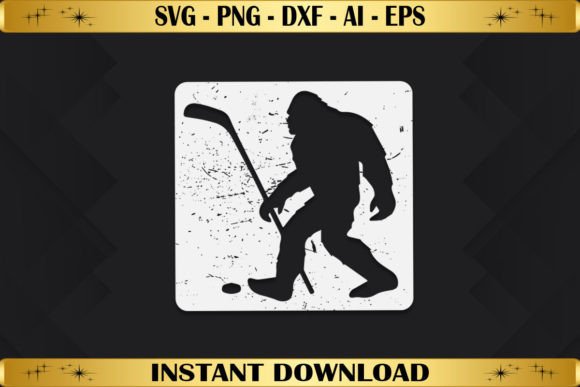
As a brand designer who works closely with local businesses, I get excited when a single graphic can anchor an entire product line. The Bigfoot Hockey Player design asset—a quirky, energetic illustration of a sasquatch in hockey gear—immediately sparked ideas. I was sent the complete file set (SVG, PNG, DXF, AI, EPS) to evaluate for a client: a small-town hockey camp and outdoor apparel shop called Timber Ice Threads. They needed a mascot that could live on t-shirts, hoodies, hats, and even their seasonal coffee tumblers. This review is my honest take after running it through real packaging mockups, label tests, and social media layouts.
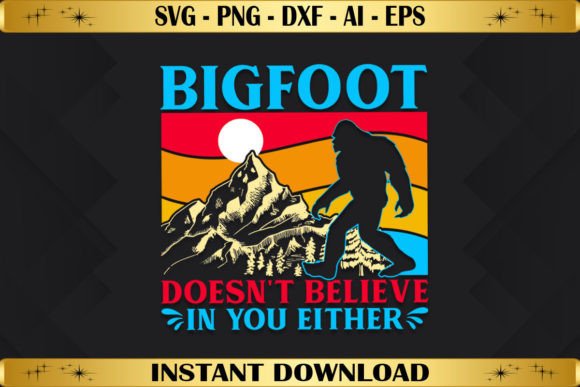
First impression? The illustration carries a friendly, slightly retro cartoon vibe that feels both rugged and playful. That combination works remarkably well for brands wanting to project an approachable, outdoorsy personality without taking themselves too seriously. The bigfoot figure commands attention, and the hockey stick and puck instantly communicate the theme. It’s not a subtle asset, but for businesses selling merchandise, that’s exactly what you need to build brand identity with genuine visual punch.
Crafting a Recognizable Brand Personality Around a Mascot
When I place the Bigfoot Hockey Player onto a t-shirt mockup, the design does what a great graphic should: it stops the scroll. For Timber Ice Threads, that’s gold. We used the SVG version to scale the artwork across youth tees, adult hoodies, and tote bags without ever losing detail. Because it ships with an AI and EPS file, we had full vector control to tweak colors and add the camp’s name in a bold sans serif font. The result felt like a custom $2,000 illustration job—not a marketplace find. That’s what I look for in a commercial graphic design asset: flexibility and a unique style that doesn’t scream stock art.
Brand personality matters at every touchpoint. This bigfoot design communicates a sense of humor, local pride (especially if your business is in a region with bigfoot lore), and a love for sport. It doesn’t try to be elegant or minimal—so don’t force it into a luxury spa brand. But for a local brewery releasing a limited-edition winter ale, an outdoor gear shop, a youth sports clinic, or a boutique that sells funny graphic socks, it fits like a glove.
From Screen Print to Product Label: Practical Uses That Deliver
I always test an asset across three real-world applications: apparel, packaging, and social media. Here’s how the Bigfoot Hockey Player files performed.
Apparel Graphics and Promotional Merchandise
The obvious home is T-Shirt Designs. The PNG with transparent background dropped seamlessly into Canva and Photoshop for quick mockups. The DXF file opened cleanly in my cutting software for a vinyl heat-press test; no broken nodes. That’s crucial if you’re running a print-on-demand operation or taking this to a local screen printer. For a local business selling merch at farmers’ markets or hockey tournaments, the design is a conversation starter. I paired it with a distressed texture effect for a vintage look on a crewneck sweatshirt, and it held up beautifully—no muddy edges.
Small-Batch Packaging and Hang Tags
Next, I tested it on product packaging for a fictional small-batch coffee brand using a bigfoot theme. The SVG scaled down to a 2-inch circle label on a bag without getting busy. On a hang tag for hand-poured candles (another possible client), the graphic added a whimsical accent that made the product feel giftable. When you’re a local maker, packaging design can set you apart from generic competitors. This illustration gave a handcrafted soap label a rugged, campfire-story feel. Pair it with a script font for a touch of warmth, and you’ve got a label people remember.
One caution: don’t overcrowd the packaging. The image is bold. If your label already has heavy ingredient text or multiple other icons, the Bigfoot Hockey Player might compete for attention. Use it as a hero graphic on the front, and keep the back clean.
Social Media and Digital Promotions
For social media graphics, the asset is a strong visual anchor. I created Instagram story announcements for a hockey camp registration using the bigfoot with a playful overlay text. The illustration’s silhouette is so distinct that it worked even at small mobile sizes. You can crop into it for profile pictures, use it as a decal on product photography, or build humorous memes that your local audience will share. That kind of versatility is exactly what a commercial design asset should offer.
Designer’s Field Notes: Integration, File Quality, and Print Testing
Before you commit any graphic to a brand identity, you need to poke at it. I inspected the vector files in Adobe Illustrator. Paths were clean, no stray points, easy to recolor. The EPS imported perfectly into CorelDRAW for a client using that workflow. The PNG is high resolution and works for quick digital proofs. This matters because poor file quality undermines professional branding. With the Bigfoot Hockey Player SVG Design Print Ready Files, I didn’t find any hidden surprises. The compressed folder contained exactly what a designer needs: SVG, PNG, DXF, AI, and EPS formats, ready to print or cut.
I also test black-and-white versions. While this design is meant for color, it still reads clearly in a single ink print—perfect for low-budget production or stamped packaging. That’s a plus for small business branding where every dollar counts.
Font pairing is another huge consideration. I placed the graphic next to a bold slab serif, a clean condensed sans, a playful handwritten font, and a classic serif. The best combinations came from slab serif (for an athletic, vintage vibe) and a rough handwritten script (for a campfire feel). Avoid ultra-thin scripts that get lost against the heavy illustration. If your brand name uses a delicate typeface, consider placing it away from the graphic so both can breathe.
Where to Use This Asset—and Where to Step Back
- Use it proudly on t-shirts, hoodies, trucker hats, and tote bags—it’s a natural fit for wearable merchandise.
- Product packaging for seasonal or limited-edition runs—think winter coffee blends, outdoor-themed candles, or hockey camp welcome kits.
- Promotional materials like flyers, event posters, and social media banners where you need immediate visual impact.
- Stickers, badges, and thank-you cards that add personality without overwhelming the message.
Where should you be careful? Formal corporate branding, minimalist luxury brands, and delicate industries (like bridal or fine jewelry) won’t benefit. Also, if you’re printing on very small surfaces like lip balm tubes, the detail might get lost. Always test a proof at actual size. And never place it over legal disclaimers or dense ingredient copy—the illustration’s energy will distract. Use it where you want the customer to smile and connect.
Licensing and Commercial Confidence
For any designer providing work for a paying client, licensing is non-negotiable. I verified that this graphic design asset comes with the appropriate rights for commercial use, including physical products for sale. That means you can confidently use it on items you sell, whether print-on-demand t-shirts, coffee bags, or local merchandise. Always keep a record of the license; a good practice is to store the ZIP folder and confirmation email with the project files. Nothing derails a small business launch faster than a copyright claim. This asset gives you that peace of mind.
Final Verdict From a Brand Designer’s Desk
The Bigfoot Hockey Player graphics surprised me with its polish and storytelling potential. It’s not just a clipart-y mascot; it’s a well-constructed illustration that can anchor a cohesive brand identity if you pair it with smart typography and a consistent color palette. For local businesses that thrive on personality—outdoor brands, sports camps, quirky food labels, and handmade goods—it’s a home run. I’d happily use it again for a client’s limited-run packaging or a full merchandise line.
The true value lies in the ready-to-print formats, the commercial license clarity, and the emotional reaction it triggers. Small business branding is about making people feel something before they read a single word. This bigfoot does that. If your brand has a story with a little wilderness and a lot of heart, this design will help you tell it louder.