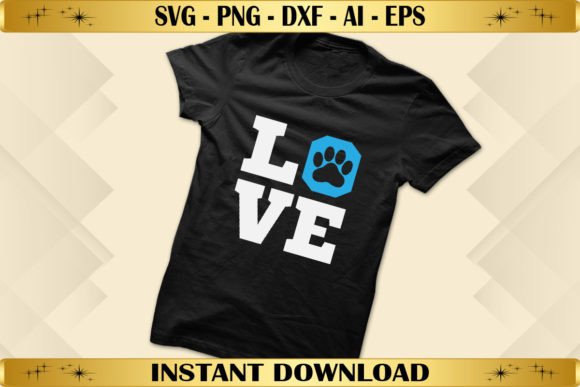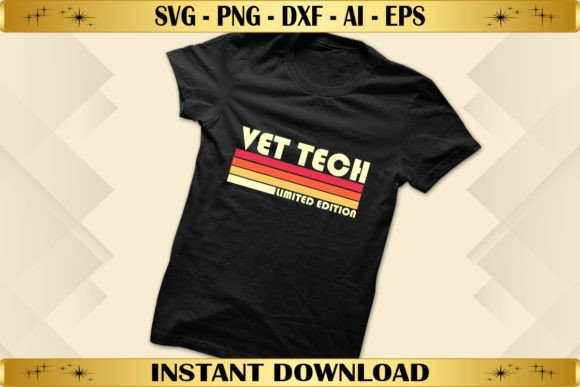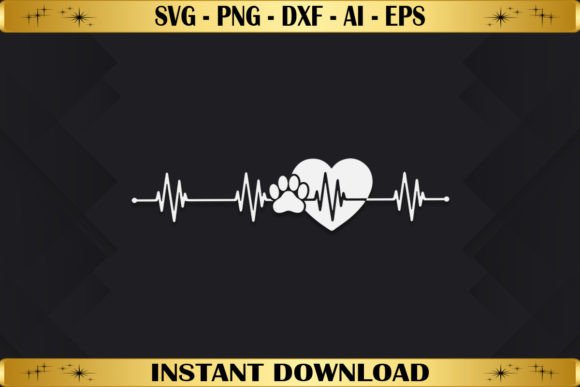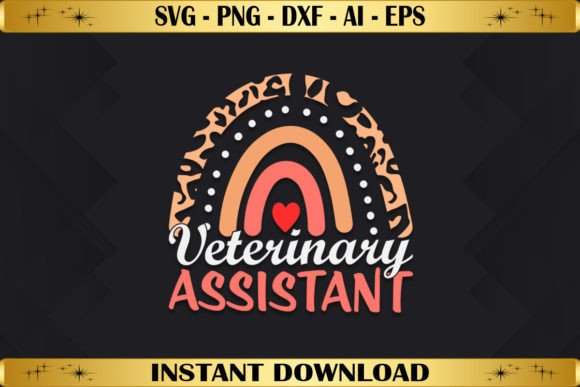
Veterinary Assistant Vet Tech Graphics & T-Shirt Designs
First Impression: Warm, Approachable, and Professionally Whimsical
Opening the Veterinary Assistant Vet Tech SVG Design Print Ready Files, I immediately scanned the visual tone—not just for technical completeness, but for emotional resonance. This isn’t clinical clipart or sterile iconography. It’s a hand-crafted illustration with soft linework, balanced negative space, and subtle anatomical accuracy that feels respectful—not cartoonish. The mood leans into compassionate professionalism: friendly enough for a local animal clinic’s staff t-shirts, yet detailed enough to signal competence to pet owners scrolling Instagram or browsing an Etsy shop. For a client launching a handmade line of vet-tech-themed tote bags and enamel pins, this graphic design asset landed as a strong visual anchor—authentic, scalable, and audience-aware.
Where It Shines in Real Client Projects
In practice, Veterinary Assistant Vet Tech excels where warmth meets utility. I tested it across multiple touchpoints for a small business branding project: packaging design for organic pet treats, social media graphics for a mobile vet service’s seasonal campaign, and product mockups for a print-on-demand t-shirt collection. It held up beautifully on cotton jersey tees—clean at 12" chest prints, legible even at 8" sleeve placements. As a sticker design or sublimation design, the vector precision (confirmed in AI and EPS files) ensured crisp edges on curved surfaces like mugs and water bottles. On Canva templates for clinic newsletters or Cricut projects for adoption event banners, the SVG and DXF formats allowed effortless resizing without pixelation. Its charm also translated well into editorial design—used as a decorative accent in blog headers and printable wall art for veterinary student dorms or waiting rooms.
Top-Performing Use Cases
- Product mockups — especially for t-shirt design, tote bags, and lab coat embroidery previews
- Themed collections — pairs naturally with paw prints, stethoscopes, and bone motifs in cohesive packaging design
- Social media graphics — works as a focal element in Instagram posts and Pinterest pins when paired with clean sans serif fonts
- Printable designs — ideal for vet tech graduation certificates, clinic welcome kits, or volunteer appreciation cards
- Supporting brand elements — functions elegantly as a secondary mark alongside a primary logo in brand identity systems
Where Caution Is Required
This isn’t a universal-fit asset. In minimalist branding or corporate healthcare materials—think hospital system brochures or telehealth app interfaces—it risks feeling too gentle, too illustrative. I tested it over light gray gradients and busy floral backgrounds; contrast dropped noticeably, weakening visual hierarchy. At under 1.5" wide, fine details like ear texture or badge text blurred, making it unsuitable for small stickers or embroidered patches without simplification. And while it reads clearly against white or kraft paper, I recommend avoiding placement directly over complex patterns or low-contrast photography unless you adjust layer opacity or add a subtle drop shadow in your layout software.
Design Judgment: Readability, Trust, and Emotional Alignment
What makes Veterinary Assistant Vet Tech effective isn’t just its file variety—it’s how it supports audience perception. Pet owners respond to empathy cues in visuals; this design delivers that through posture, expression, and contextual tools (stethoscope, clipboard). That builds visual trust faster than generic clipart. When layered with a strong sans serif font like Inter or Montserrat, hierarchy stays clear. Paired with a script font, it gains personality—ideal for boutique pet bakeries or handmade grooming product lines. But with heavy serif typography or ultra-thin display fonts, it can clash tonally. I found it most consistent when used as a hero graphic or supporting illustration—not as a standalone logo, unless heavily refined for scalability and trademark readiness.
Practical Designer Notes Before Client Deployment
Before clearing Veterinary Assistant Vet Tech for commercial use, I ran these checks:
- Tested black-and-white conversion — confirmed no critical detail vanishes in grayscale (essential for embroidery or single-color screen printing)
- Checked PNG transparency — verified clean alpha channel with zero fringing around edges
- Previewed at scale — zoomed to 400% in Illustrator to inspect anchor point smoothness in the SVG and AI files
- Mocked up on real substrates — placed it on dark heather tees, matte stickers, and ceramic mug renders to assess color interaction
- Reviewed licensing — confirmed commercial license covers both digital product resale and physical merchandise (critical for Etsy sellers and print-on-demand partners)
- Compared font pairings — validated legibility with common web-safe and creative marketplace fonts across platforms
It passed every test—but only because the source files were well-structured, not auto-traced. That attention to craft separates usable design assets from disposable clipart.
Final Verdict for Creative Professionals
If your client needs a human-centered, commercially viable graphic design asset that bridges veterinary expertise and heartfelt storytelling, Veterinary Assistant Vet Tech is a smart addition to your toolkit. It’s not just another t-shirt design—it’s a flexible, emotionally intelligent illustration that elevates handmade business branding, strengthens marketing visuals, and adds sincerity to otherwise transactional touchpoints. Just remember: its strength lies in context. Deploy it where warmth matters, where craftsmanship is visible, and where your audience values authenticity over austerity. For designers building brands—not just layouts—it’s a quiet but confident contributor to thoughtful, audience-first creative design.