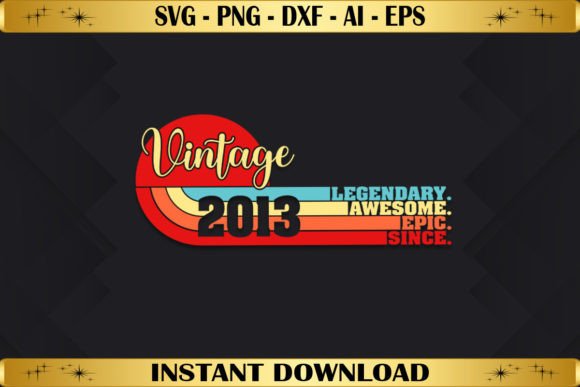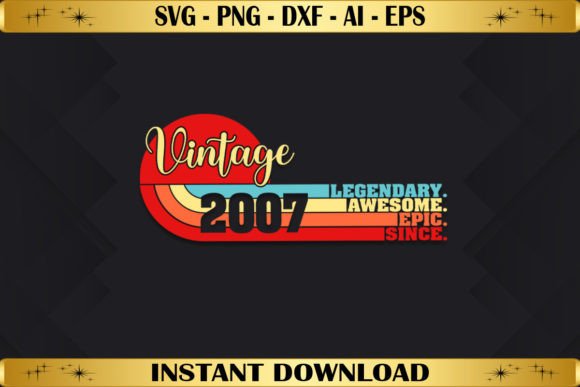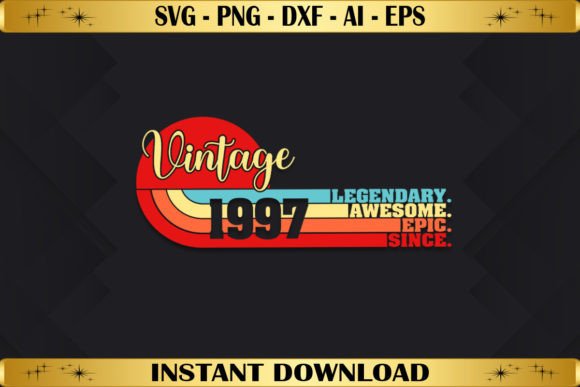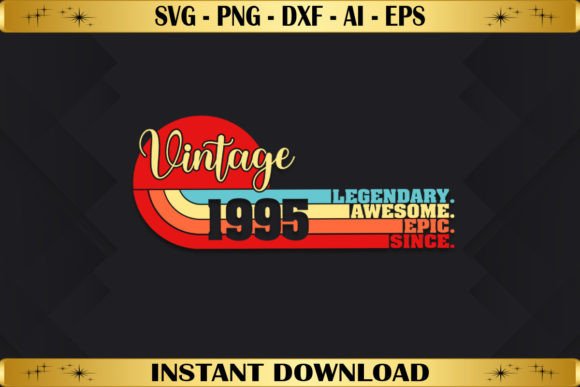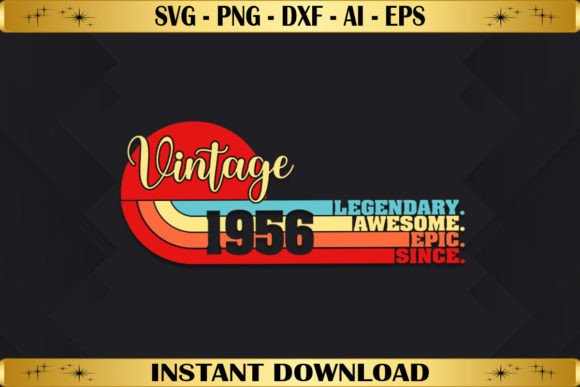
Legendary Awesome Epic Since 1956
A Designer’s First Look: Bold, Nostalgic, and Unapologetically Playful
When I opened the Legendary Awesome Epic Since 1956 design for the first time, my instinct wasn’t to click “stitch” — it was to hold it up against natural light and imagine how those thick, confident letterforms would translate in thread. This isn’t a delicate script or minimalist line art. It’s a statement piece with retro swagger: strong verticals, slightly rounded serifs, tight kerning, and that cheeky “Since 1956” tucked just right beneath the main phrase. The mood is warm, proud, and handmade — like something you’d see stitched on a vintage-style apron at a family-owned bakery or embroidered on a dad’s favorite flannel shirt. It feels personal without being overly sentimental, bold without tipping into loudness.
Where It Shines: Real Projects That Feel Like a Natural Fit
I tested Legendary Awesome Epic Since 1956 on a heavyweight cotton tote bag for a local coffee roaster’s holiday pop-up — and it landed perfectly. The clean lines held up beautifully under medium-density fill stitch, and the generous height of the letters gave me room to work with standard 4–5 mm satin stitch borders. It also worked well as a centered chest embroidery on an unstructured cotton sweatshirt: no puckering, no legibility loss, even after two washes. For small business owners, this design slots neatly into boutique branding — think embroidered tea towels for a kitchen goods shop, pillow covers for a nursery decor line, or baby onesies where parents want charm *and* durability. As a holiday embroidery option, it adds personality to personalized gifts without leaning into seasonal clichés. Etsy sellers will appreciate how easily it converts into printable mockups: the SVG and PNG files render crisply at multiple sizes, making it simple to show off on product listings for custom apparel or embroidered patch bundles.
Where to Proceed Thoughtfully (Not Just Optimistically)
This isn’t a one-size-fits-all embroidery file — and that’s a good thing. Its strength lies in clarity, not subtlety. So while it sings on stable, medium-weight fabrics like canvas, denim, or midweight knits, I’d pause before using Legendary Awesome Epic Since 1956 on ultra-thin tees, highly textured terry cloth, or stretchy performance fabrics without thorough testing. The letterforms are generous, but the “6” in “1956” has a subtle curve that can blur if stitch density is too low or stabilizer is under-applied. On dark fabric, contrast matters — a bright white or creamy ecru thread lifts the design; charcoal or navy thread on black fabric loses impact. And for curved surfaces like caps? Stick to the front panel only — avoid the crown or bill, where distortion risks softening the crisp edges. If you’re planning layered garments (think embroidered patches on denim jackets), test how the design reads when partially obscured by folds or seams — its personality holds up best when fully visible.
What It Adds to Your Finished Product — Beyond Aesthetics
There’s a quiet confidence in Legendary Awesome Epic Since 1956 that elevates a handmade product from “nice” to “memorable.” Customers notice it — not because it shouts, but because it feels intentional. On personalized gifts, it conveys care and character. On small shop merchandise, it supports brand consistency without demanding a full logo system. It doesn’t distract from the item itself; instead, it enhances perceived value. I’ve watched buyers linger longer on items featuring this kind of balanced, typographic embroidery — especially when paired with thoughtful thread color choices. It builds trust, too: when executed cleanly, it signals craftsmanship, not just convenience. That matters whether you’re selling at a craft fair, listing on Etsy, or fulfilling a custom apparel order for a local gym or school group.
Practical Embroidery Designer Notes Before You Stitch
- Always test first: Run Legendary Awesome Epic Since 1956 on scrap fabric matching your final project’s weight and stretch — especially if using it for baby embroidery or commercial embroidery where reliability is non-negotiable.
- Stabilizer is key: Medium-cutaway works best for knits; tear-away suffices for stable wovens. Don’t skip it — those bold letters need support to stay crisp.
- Check thread color contrast early: Try it in black-and-white mockups alongside your intended background fabric tone. What looks sharp on screen may fade on oatmeal linen or get lost on heather grey.
- Review stitch density in your software: If converting from the included SVG or AI file to a machine embroidery format, watch for overfilled areas — particularly in the thicker strokes of “L,” “A,” and “E.” Adjust if needed to prevent stiffness or shadowing.
- Hoop size matters: Measure the design’s bounding box before hooping. It’s generous enough to need a 5x7” hoop minimum for comfortable stitching — smaller hoops risk crowding and tension issues.
- Licensing check: Since this is a digital embroidery file sold as Graphics within T-Shirt Designs, confirm whether the license permits commercial use for finished embroidered products or resale of derivative digital assets — review the seller’s terms before listing on Etsy or bundling into craft business kits.
Final Thought: A Design That Earns Its Superlatives
“Legendary,” “Awesome,” “Epic” — those words aren’t marketing fluff here. They describe how Legendary Awesome Epic Since 1956 performs in real embroidery projects: reliably legible, emotionally resonant, and commercially versatile. It’s not trying to be everything. It’s doing one thing exceptionally well — giving handmade products a voice that’s warm, grounded, and quietly unforgettable. Whether you're stitching for joy, launching a craft business, or building a cohesive line of custom apparel, this design earns its place in your embroidery project toolkit — not because it’s trendy, but because it’s timeless in the way that really matters: it feels human, honest, and made to last.